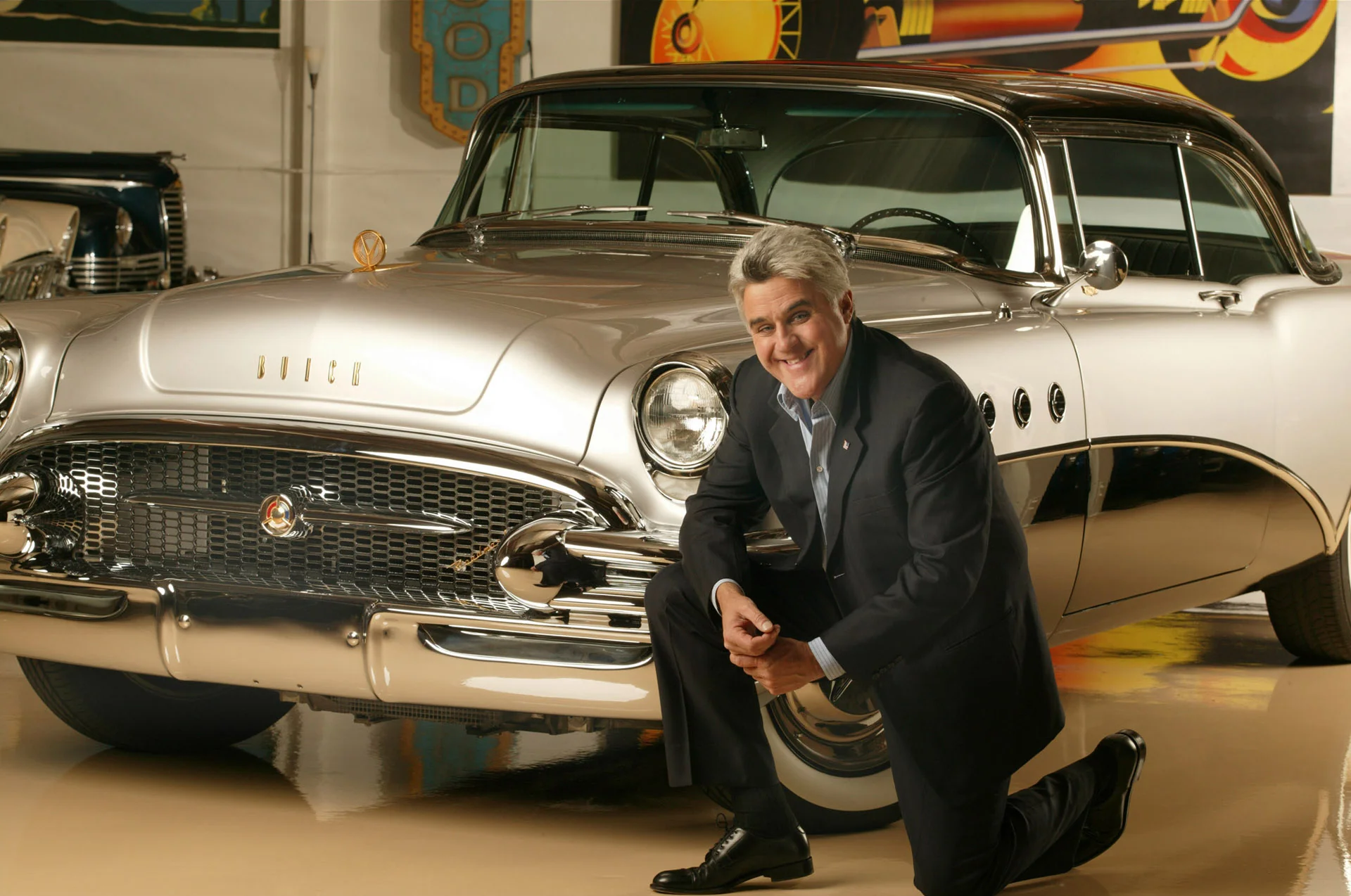
If Jay Leno Can’t Protect Car Culture Who Can?
Even with one of the most respected voices in car culture fighting for them, classic and muscle car enthusiasts took a major loss in California. Jay Leno’s failed effort to protect limited use classic cars highlights a growing disconnect between regulators and the culture that built American performance.
If there is anyone you would expect to successfully defend car culture, it is Jay Leno. He is not just a celebrity who owns a few nice cars. He is a lifelong enthusiast with one of the most diverse and historically important car collections in the world. When someone like that speaks up about protecting classic cars, it should matter.
In California, it did not.
Leno recently backed efforts aimed at protecting classic and enthusiast cars from increasingly aggressive emissions regulations. The goal was not to gut environmental standards or open the floodgates to pollution. It was to carve out reasonable exemptions for limited use classic vehicles that are driven occasionally, maintained properly, and represent a shrinking fraction of cars on the road. Cars that come out on weekends. Cars that show up at events. Cars that are part of automotive history.
The state said no.
When Common Sense Loses to Policy
The frustrating part is that this was never about daily driven beaters belching smoke through downtown Los Angeles. The cars in question make up a tiny percentage of total emissions. Many of them travel fewer miles in a year than the average commuter drives in a month. Yet they continue to get lumped in with mass produced modern vehicles when regulations are written.
That is the disconnect. Policy is being applied broadly without acknowledging how different these cars actually are. Leno tried to bring that nuance to the table. He failed.
Coverage from outlets like Autoblog made it clear that despite high profile backing, the legislation went nowhere. That sends a message. If even someone with Leno’s influence cannot move the needle, the average enthusiast does not stand much of a chance.
Why This Hits Muscle Car Owners Hardest
Muscle cars sit right in the crosshairs of this kind of thinking. Big displacement engines. Older technology. Loud exhaust. They represent everything modern regulators are trying to phase out. Never mind that most of these cars are meticulously cared for and rarely driven in heavy traffic.
For many owners, the fear is not just higher registration costs or stricter testing. It is death by a thousand small restrictions. First emissions. Then fuel availability. Then insurance. Then zoning issues for events. None of it sounds dramatic on its own, but together it slowly makes ownership more difficult and less rewarding.
That is how cultures fade. Not through bans, but through inconvenience.
Car Culture Is More Than Transportation
What regulators consistently miss is that classic and muscle cars are not just machines. They are social hubs. They bring people together at shows, cruises, and meets. They connect generations. A kid hearing a V8 fire up for the first time is not thinking about emissions charts. They are feeling something real.
That matters.
Leno understands this better than most. His advocacy was not about protecting his own collection. He will be fine no matter what rules get passed. It was about protecting access and participation for everyone else. The builders. The weekend drivers. The people who saved for years to own something that makes them happy.
The Bigger Warning Sign
The failure of this effort should worry enthusiasts outside California too. Regulations rarely stay contained. What starts in one state often spreads quietly until it becomes the norm. Today it is emissions exemptions. Tomorrow it could be event permitting or fuel formulation changes that make older engines harder to run.
This is not about resisting progress. It is about recognizing that progress does not require erasing the past.
Where Enthusiasts Go From Here
Jay Leno losing this fight does not mean it is over. It does mean the community cannot rely on a single high profile voice to carry the load. Enthusiasts will need to be louder, more organized, and more willing to explain why these cars matter beyond nostalgia.
Muscle cars survived oil crises, economic collapses, and decades of being called obsolete. They will survive this too. But only if people keep driving them, talking about them, and pushing back when common sense gets ignored.
Sign Up Now
Get notified about new posts, exclusive content, and behind-the-scenes updates from Strip and Street.
We respect your privacy. Unsubscribe at any time.
Related Posts
How Instagram Blew Up the Vintage and Restomod Body Shell Game
Instagram has completely changed the way people build classic muscle cars. With perfect, spotless restorations dominating social feeds, demand for replica and restomod body shells is exploding. Instead of fighting decades of rust, builders are starting with brand-new metal, sparking a huge debate about authenticity, accessibility, and what “real” muscle really means.

This is a test prem post
This is a test post

Why Modern Car Interiors All Feel the Same Now
Step inside almost any modern car and you’re greeted by the same flat screens, minimal buttons, and soulless layouts. What used to be driver-focused environments full of character have turned into rolling tech demos designed for efficiency, not emotion. As automakers chase cost savings and screen real estate, car interiors are losing the one thing that made people care in the first place — personality.